

When it comes to your kid's health, dentistry is often a topic that deserves more attention than it usually gets. In West Hempstead, parents are discovering the importance of developing good oral hygiene habits from a young age. Pediatric dentistry centers specifically on the dental concerns of children, providing a basis for lifelong oral health. Caregivers in the area may have concerns about the right time to begin these visits, the best practices for promoting a pleasant experience, and how to manage specific dental challenges that often surface during childhood.
Understanding pediatric dental care isn't just about routine cleanings and checkups. It's about fostering a comfortable environment for children where they can learn the value of maintaining healthy teeth. From dealing with dental anxiety in young patients to providing specialized care for children with sensory needs, the pediatric dentists in West Hempstead are dedicated to making dental visits a positive experience. In this article, we will explore important factors of pediatric dental care that all caregivers should be aware of, aiding you in navigating the journey to instilling good oral health habits in your kid.
Essential Initial Dental Visits
Building a strong foundation for your kid's dental health commences with their initial dental visit. check out here of Pediatric Dentistry suggests that a kid should have their initial dental checkup by the age of 1 or within six months following their first tooth erupts. This initial visit allows the pediatric dentist to assess your kid's oral health and provide advice on appropriate care, setting the stage for a duration of healthy habits.
Attending the dentist at a young age helps familiarize children with the dental environment, reducing them more anxious about future appointments. At emergency pediatric dental care in West Hempstead , the dentist will examine for any potential issues such as tooth decay or incorrect jaw alignment. They will also inform parents on topics like appropriate brushing techniques, diet, and the importance of fluoride, ensuring that you are well-equipped to support your kid's dental health at home.
Additionally, early dental visits have a essential role in preventing future dental issues. By beginning early, dentists can track the growth of your kid's teeth and jaws. If any concerns arise, such as signs of early childhood caries or alignment issues, they can be resolved promptly, minimizing the risk of more complex treatments later on. By prioritizing these early visits, parents can greatly contribute to their kid's future dental success.
Preventive Care
Proactive oral care is vital for preserving the dental health of young ones. Parents should begin brushing their child’s teeth as soon as they come in, using a gentle toothbrush and a pea-sized amount of fluoride toothpaste. Establishing a routine that incorporates brushing two times a day helps to instill good habits early on. Flossing should begin as soon as two teeth touch to clear away plaque from areas that a toothbrush can't reach. Regular dental visits are important to monitor development and resolve any issues promptly.
Fluoride treatments perform a significant role in fortifying enamel and staving off cavities. Pediatric dentists in West Hempstead often recommend fluoride applications during visits to help safeguard kids’ teeth, especially kids who are at a higher risk for decay. Additionally, dental sealants are a further valuable preventive measure that involves applying a light coating on the chewing surfaces of molars to protect them from cavities. These treatments are quick and painless, providing an extra layer of protection for your kid's teeth.
Diet also significantly impacts dental health, making it an essential aspect of proactive care. Educating parents about healthy dietary choices can help reduce the risk of early childhood caries. Limiting sugary snacks and beverages while promoting a wholesome diet rich in fruits, vegetables, and whole grains supports both general health and dental health. Teaching children the importance of drinking water, especially after consuming sticky or sugary foods, reinforces good habits that will last a long time.
Managing Oral Fears in Children
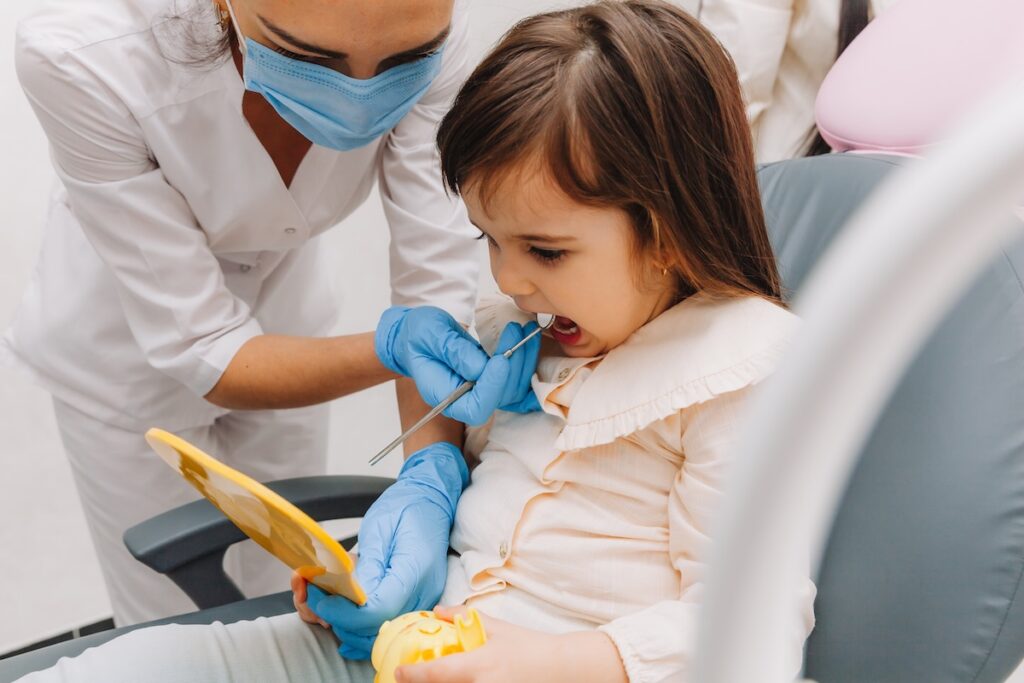
Oral fears can be widespread among children and often makes visits to the pediatric dentist a challenging experience for not only kids and their parents. To reduce these anxieties, West Hempstead pediatric dentists use a variety of strategies customized to the needs of young patients. Establishing a inviting environment with kind staff, vibrant decor, and age-appropriate toys might considerably ease a child's anxiety. Additionally, some practices incorporate the use of distraction techniques such as films or toys to engage children busy and calm during their visits.
Another effective strategy for managing dental anxiety involves through behavioral guidance. Dentists trained in this technique use positive reinforcement and gentle communication to calm patients. They may describe procedures in clear, reassuring terms and encourage children to ask questions. By informing kids with knowledge about what to expect, dentists can promote a sense of control, which reduces fear. For particularly anxious children, pediatric dentists may also suggest sedation options, which can help them remain calm and comfortable during their treatment.
Parents play a crucial role in managing their child's dental anxiety as well. Preparing kids for their dental visit by practicing relaxation techniques or going through books about going to the dentist is beneficial. Open conversations about the visit, emphasizing the importance of oral health and the positive aspects of dental care, may assist cultivate a more positive mindset. Involving children in their oral health routines at home also enhances their confidence, making them much more inclined to approach dental visits with a calm and positive attitude.